
Yellowtail top of Wine Intelligence's power brand index for third year running
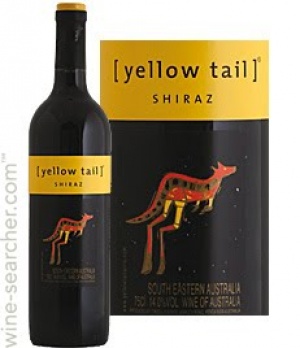
Yellow Tail, owned by the Australian wine giant Casella Family Brands tops the Wine Intelligence Global Wine Brand Power Index for the third consecutive year.
Garnering widespread approval, the brand is placed in the top five with consumers surveyed in Canada, China, South Korea, Hong Kong, the UK and the US.
Hard on its heels in second place comes Casillero del Diablo, part of the Chilean Concha y Toro stable, which dominates in its domestic market, but is also highly regarded amongst wine consumers, particularly in Colombia and Ireland.
This is followed by Gallo Family, one of the most widely distributed wines in the report, taking up third place in the rankings. This is based on feedback from over 20,000 wine consumers in 21 markets – representing 380 million wine drinkers around the world.
Consumer awareness levels are decreasing, according to Wine Intelligence, but at a less steep rate than last year’s report. This year, recalled purchase levels are also lower, most likely a factor of reducing awareness levels.
Notable movers in the rankings include Barefoot, which is most popular in Canada, the US and the UK, and has shot up eight places to make it into the top five, while Frontera, owned byConcha y Toro, has clambered up seven places to make it into 8th place.
Santa Carolina has also climbed seven places to tie for 12th place with Beringer, while Torres has also inched up two places to make it into the top 15 this year.
However, Mouton Cadet has dropped firve places to 10th in the rankings, while Robert Mondavi has dropped seven places to come 14th in the index.
Australian and Chilean brands perform very well in the index relative to the size of wine production in these countries. In addition, a third of the top 15 is comprised of US brands – notably Gallo and Barefoot – which in part is due to the influence of the large US wine drinking population in the study, and the preference that American consumers show towards domestically produced wines.
“The advantages of a powerful brand are clearly demonstrated in the global wine market today," said Wine Intelligence's CEO Lulie Halstead. "However the path to becoming a power brand is becoming harder, as consumer knowledge levels in the wine category decline and ‘noise’ from other drinks categories increases.”
As well as expanding the Index by one market, the mix of markets has changed slightly: Chile, Denmark and Switzerland have been removed, while Colombia, Finland, Hong Kong and Mexico have been added.